D · Diplomatic
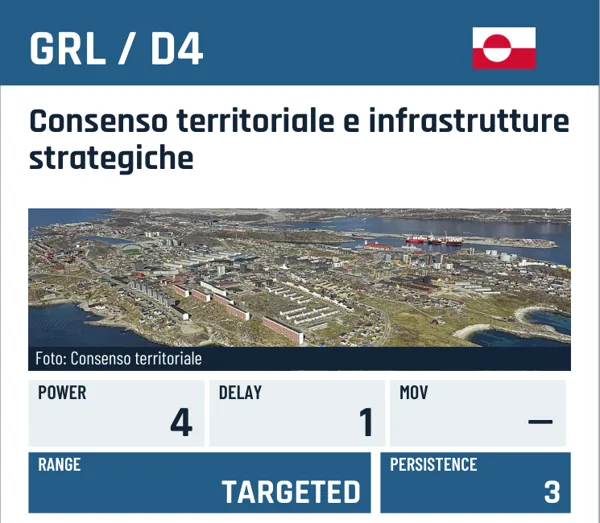
Territorial consent
Who can authorise employment on the territory?
Centro Alti Studi Difesa · Defence Wargaming Laboratory
Ten actors, different interests and simultaneous choices. An Arctic simulation exploring how decisions interact and produce consequences.
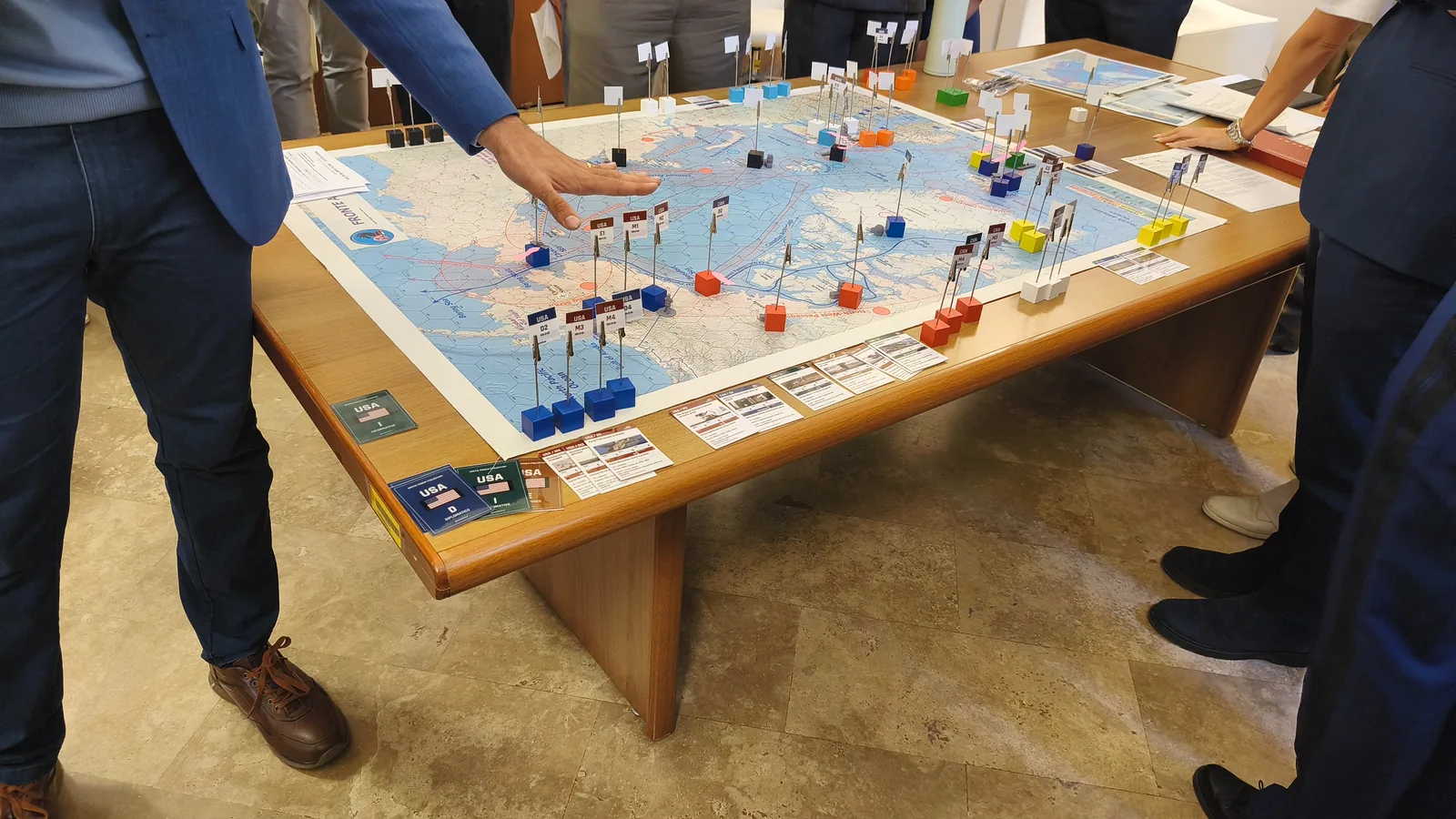
THE METHOD
Every choice must explain the interest it serves, the effect it seeks and the conditions that make it possible.
A dossier defines the actor’s interests, capabilities and dependencies.
The team chooses what to employ, where and why. New decisions remain hidden.
Orders are revealed together. Each team explains the choice it has already committed to.
Controllers compare effects, requirements and reasoning, recording the outcomes.
SELECTED EXCERPTS
DIME brings together the Diplomatic, Informational, Military and Economic instruments. These excerpts show how they contribute to strategic reasoning.
D · Diplomatic
Who can authorise employment on the territory?
I · Informational
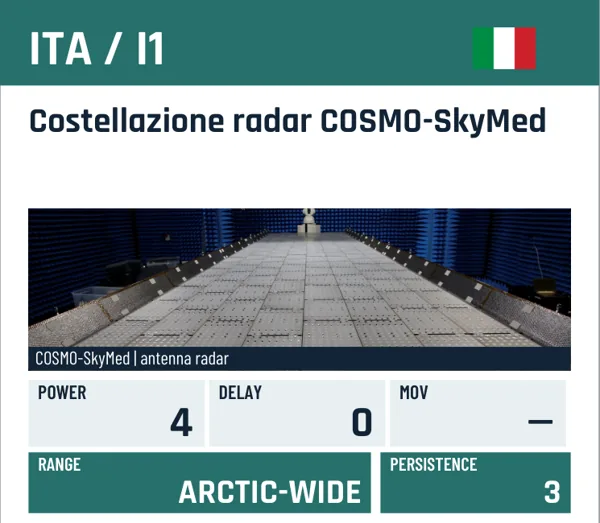
What information does the decision need?
M · Military
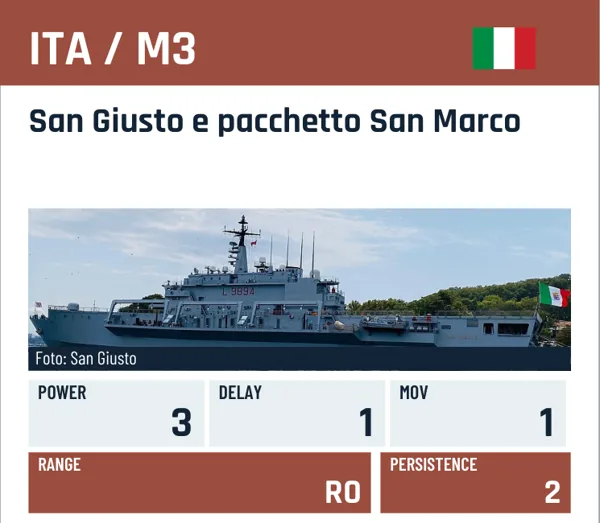
What access, timing and support make presence possible?
E · Economic
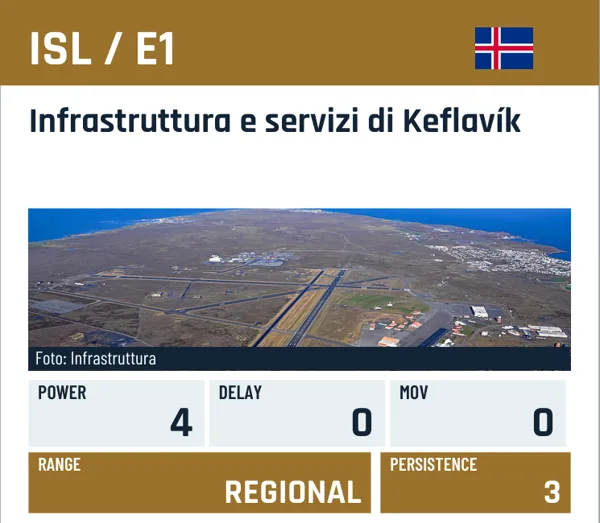
Which logistics nodes does the action depend on?
The presentation and discussion of the wargame, in the video shared by Adriano Pantaleo.
29 OCTOBER 2026 · CASD
Source: the ministerodifesa YouTube channel, recording dated 29 October 2026. The three links in Discover open sections of the same conference in their original context.
Adriano Pantaleo presents the objectives, design choices and limits of the exploration.
Andrea Bernardi introduces the tool and the Laboratory’s work.
Participants describe interpreting interests and priorities different from their own.
FRONTE ARTICO · CASD 2026
Scroll through the photos or use the arrows. Keyboard: left, right, Home and End.
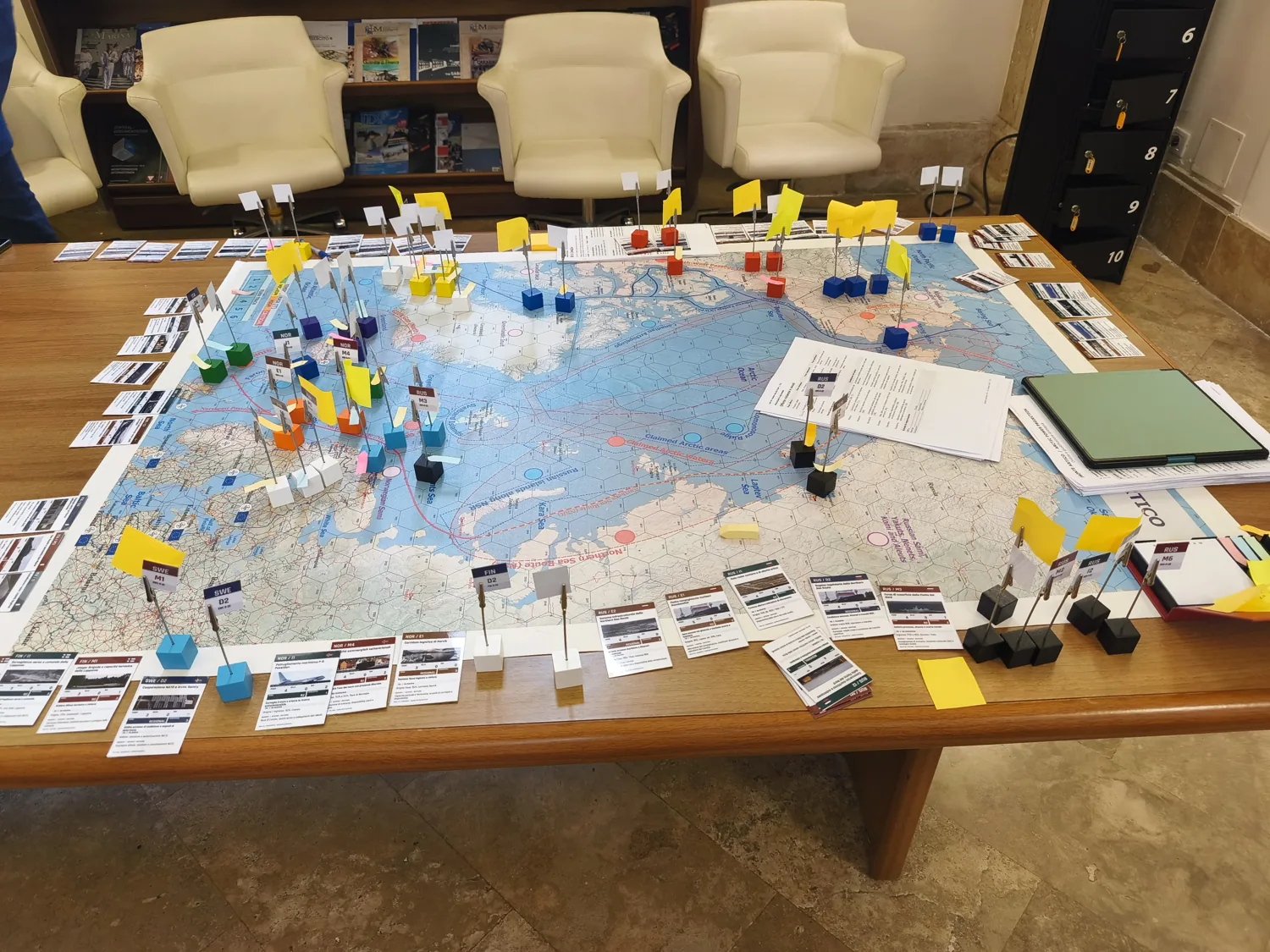
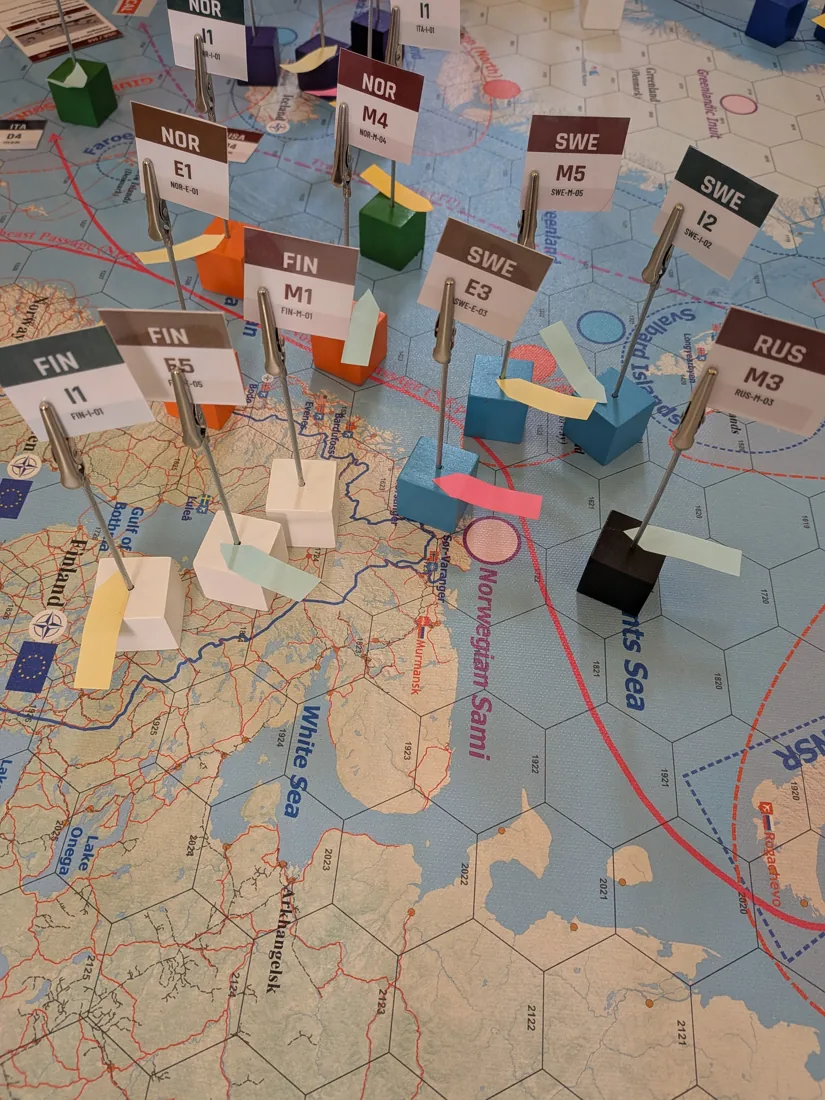
The configuration includes ten actors, 60 capabilities and four turns of seven simulated days. Dossiers and cards distinguish documented capabilities, hypothesised applications and game parameters. Greenland is independently playable to explore local interests; that modelling choice is distinct from its constitutional status.
In this configuration teams do not negotiate directly while choosing. Every employment must be justified and meet the scenario’s access, availability and dependency requirements.
Adjudication determines the outcomes of player decisions through reasoned controller judgement, a separate process from evaluating learning. Overlaps make frictions and interdependencies visible. Outcomes depend on the model, conditions and session decisions: they support strategic reflection without predicting events.
A Centro Alti Studi Difesa (CASD) wargame, developed within the Defence Wargaming Laboratory. Wargame & research designer: Dr Adriano Pantaleo, PhD, CASD expert. Co-designer & material design: Col. (ret.) Francesco Marradi, Founder & CEO of 2Towers Studio s.r.l. Graphic design and creation of the geographical map of the Arctic: Mr Paolo Scannapieco for the Defence Wargaming Laboratory. Professional contributions provided without remuneration.
Configuration documented in the CASD 2026 project brief and session materials. Presented at the second National Defence Conference on the Arctic and Antarctic on 29 October 2026.
Two separate projects in an Arctic setting: Fronte Artico 2026 explores independent, simultaneous decisions; Arctic Science Diplomacy centres on negotiation.